
May 20, 2025
If you work in post-secondary education—especially in the Arts, Humanities, and Social Sciences—you’ve probably heard it all before:
“What kind of job will you get with that?”
“Why not go into STEM?”
“Arts degrees are a waste of money.”
As a recruiter for the Faculty of Arts, Humanities and Social Sciences at the University of Windsor, I face this skepticism every single day—from parents, from students, and sometimes even from policy-makers and media narratives. There’s no denying that we live in a time when the value of an Arts degree is constantly under question. Funding priorities, political messaging, and societal attitudes often favour technical and scientific fields, leaving the rest of us to fight for our place at the table.
But here’s the truth I live by: we cannot build a strong society without the Arts, Humanities, and Social Sciences.
We need critical thinkers, storytellers, educators, social workers, communicators, researchers, artists, musicians, psychologists, and policy makers. We need empathy, creativity, curiosity, and cultural understanding just as much as we need engineers and coders. Not everyone is wired for STEM—and not everyone should be.
Arts degrees develop the soft skills that are the hardest to teach: problem-solving, communication, teamwork, adaptability, and global awareness. These are the skills employers ask for. These are the skills that help build not just a career, but a meaningful life.
That’s why I do this work.
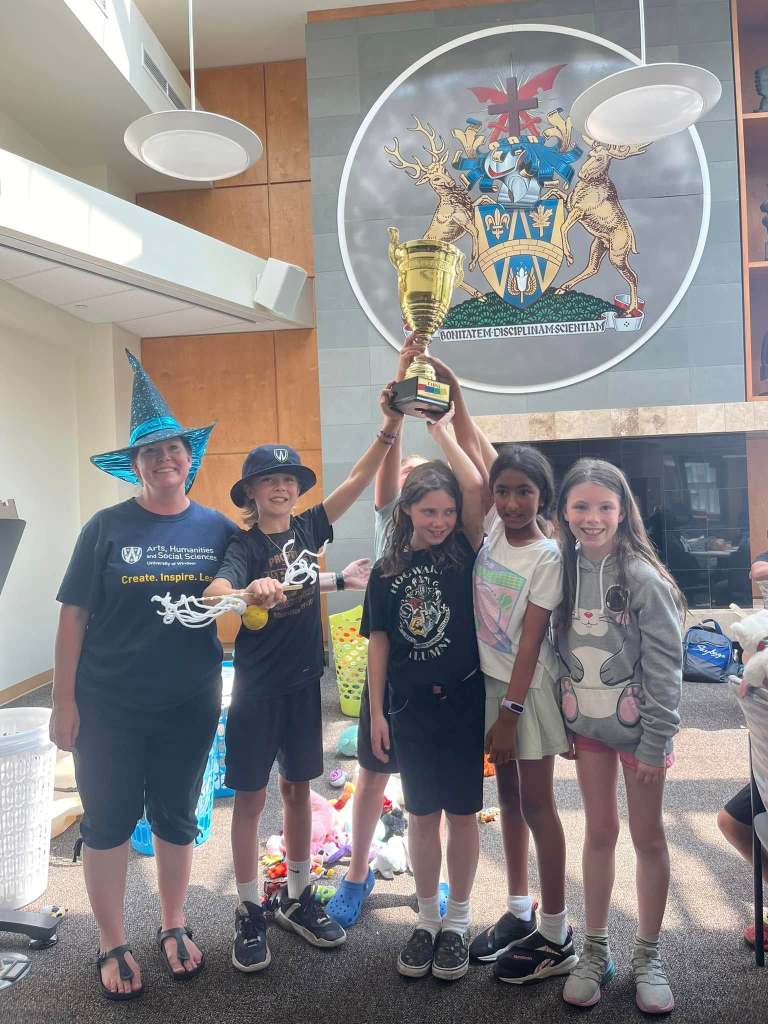
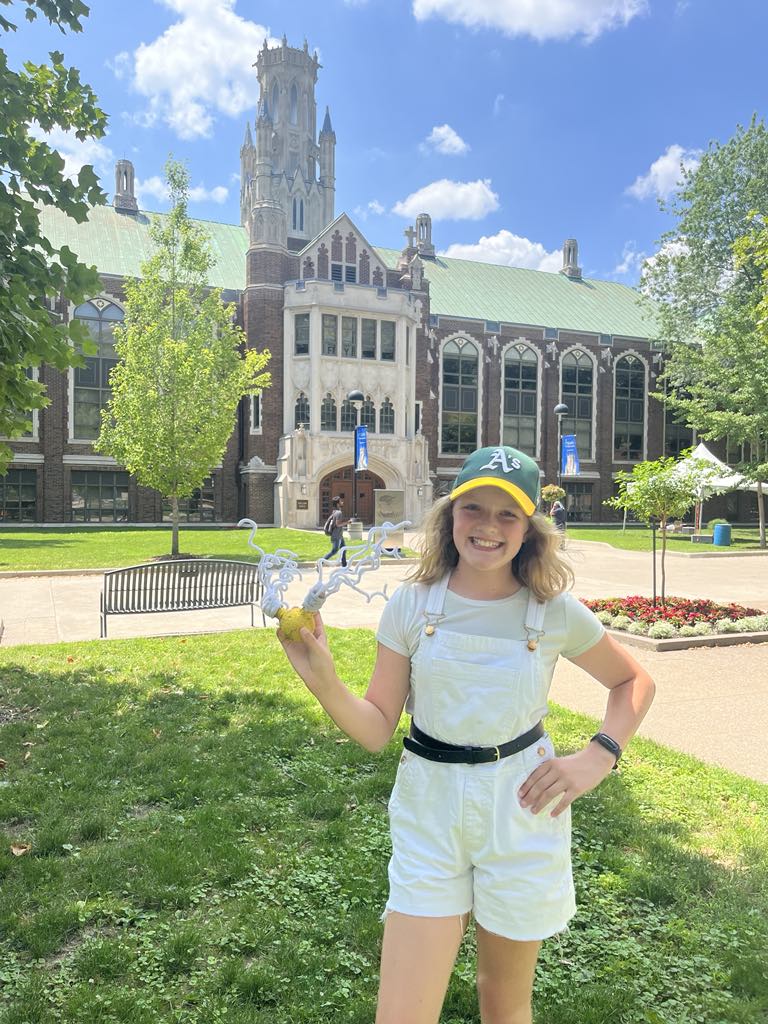
And that’s why I’ve started even younger—creating summer camps and outreach programs to bring kids onto campus early. I want to show them that university isn’t some distant, scary thing. I want them to feel like they belong here, especially if they love drama, history, film, creative writing, languages, political science, music, criminology, social work or psychology. I want them to know that those passions matter—and that they can lead to real degrees, real careers, and real impact in the world.
When I talk to a young student who loves writing but isn’t sure it’s “good enough,” I see a future communications expert, author, journalist, or teacher. When I meet a teenager who lights up on stage, I see a future arts educator, performer, or creative entrepreneur. These degrees open doors—they don’t close them.
Is it harder to convince people of that right now? Yes.
Does it make the work more important than ever? Absolutely.
So, I’ll keep showing up at high schools. I’ll keep running summer camps. I’ll keep having the hard conversations with families who just want the best for their kids. And I’ll keep telling every student who feels “different” or “undecided” or “drawn to the arts” that there is a place for them—and it’s powerful, valued, and needed.
Because the future doesn’t just need jobs. It needs meaning.
And meaning lives here—in the Arts, Humanities, and Social Sciences.

 Life at the Lowrie's
Leave a comment